
Published October 9, 2026
Why Is My Home Not Selling - 7 reasons and what to do next

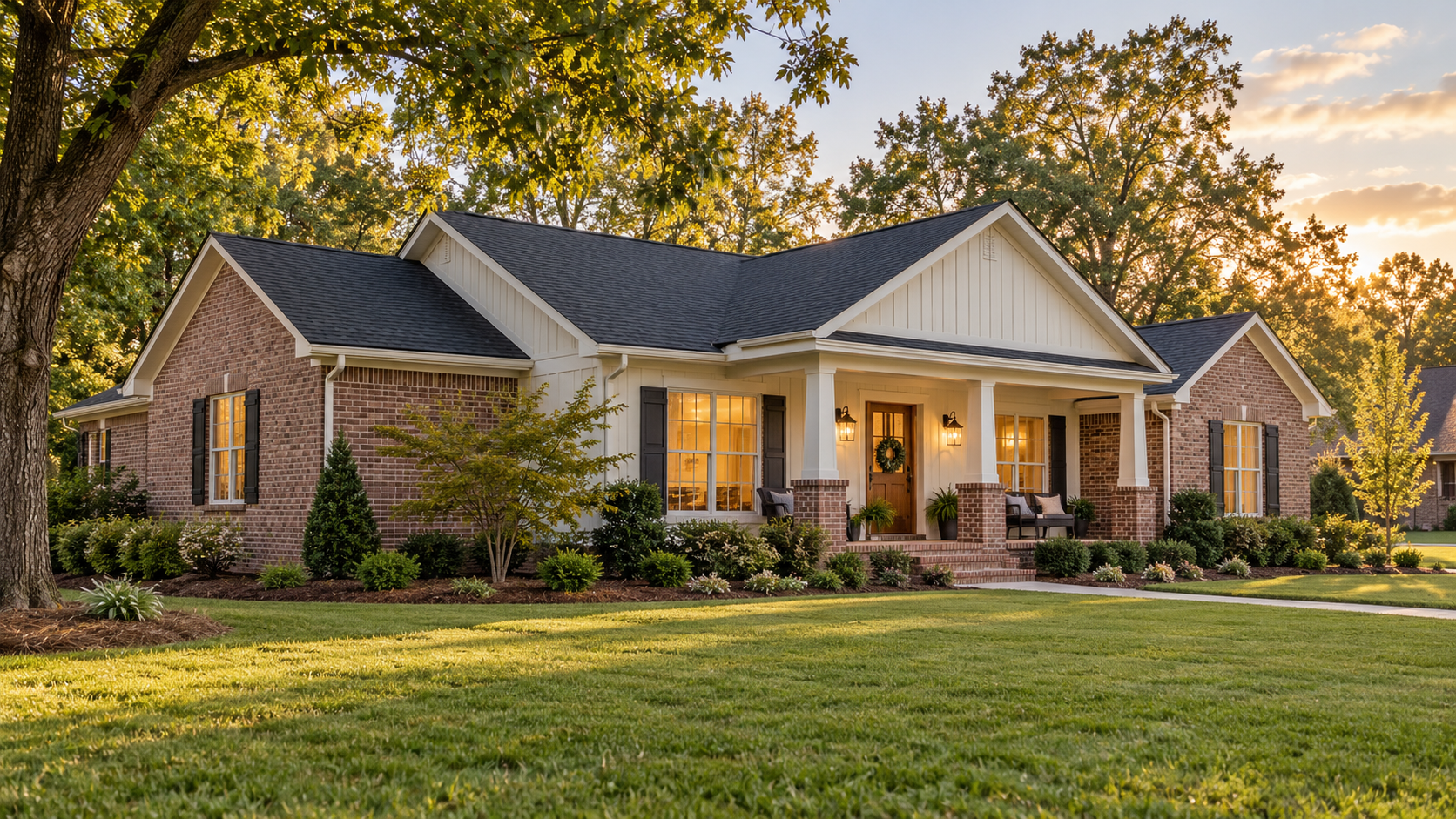
A welcoming home still needs the right price, presentation, and exposure.
Your home is on the market. You've straightened up for showings, watched other properties go under contract, and checked your phone more times than you'd like to admit. Still, the offer you're waiting for hasn't arrived.
If you're asking, "Why is my home not selling?" the most useful place to start is where buyers are losing interest. Are they passing over the listing online, struggling to schedule a visit, or walking through and choosing another home? Each pattern points to a different problem.
For sellers in Jasper, Walker County, Smith Lake, Gardendale, and nearby Central Alabama communities, the next move should come from the competition around your property and the response it is actually getting.
The quick answer A home can struggle to sell when its price, presentation, marketing, or showing availability does not match what buyers expect. Start by reviewing comparable homes, listing activity, and repeated buyer feedback. Then address the problem those clues reveal.
What is your listing activity telling you
Before changing anything, look at the pattern. These are starting points for a conversation with your agent, rather than automatic diagnoses.
|
What you are seeing |
What to check |
Where to start |
|
Very few inquiries or showings |
Online visibility, photos, price, and search filters |
Check how the listing appears beside competing homes. |
|
Showings but no serious offers |
Condition, perceived value, or a concern buyers discover in person |
Review recurring feedback and the alternatives buyers chose. |
|
The same objection keeps coming up |
A specific issue with the property or its presentation |
Decide whether to fix it, explain it accurately, or account for it in the price. |
|
Comparable homes are going under contract |
Your position against today's competition |
Compare your home directly with the properties attracting buyers. |
1. Your asking price does not match today's competition
Buyers compare your home with the other homes they can buy today. The price you paid, the amount you've spent improving it, and the number you need for your next purchase matter to your plans. Buyers make their decision based on the choices in front of them.
Review recently sold homes, competing active listings, and similar properties that have gone under contract. The comparisons should make sense for your location, condition, size, and features. A beautifully remodeled home across town may be a poor match for your property.
Also check how your price fits common search limits. A home listed at $505,000 will not appear in a search capped at $500,000. That doesn't make $500,000 the right price automatically, but it shows why pricing deserves more thought than a small, random reduction.
What to do Ask for an updated comparative market analysis and a clear explanation of the price range supported by the evidence.
2. Your listing photos are losing buyers before the showing
Your first showing often happens on a phone. A dim front photo, crowded rooms, or a gallery full of nearly identical angles can make a good home easy to scroll past.
Open your listing on your phone and study the first five photos. Can you understand the home, see its strongest features, and get a reason to keep looking? For a lake property, the setting and view may deserve early attention. For a neighborhood home, the exterior and main living spaces may tell the story better.
Photos should be bright, current, and accurate. Images that make rooms look dramatically larger or conceal a property's condition can create disappointment when buyers arrive.
What to do Review the lead image, photo order, and missing views. Arrange updated photography after the home is ready to show.
3. Your marketing is not giving buyers a reason to visit
"Beautiful home. Must see!" leaves buyers with a lot of unanswered questions. What makes this home worth an appointment?
Useful listing copy explains the features buyers might otherwise miss: a main-level bedroom, usable acreage, a workshop, a covered outdoor living area, or meaningful improvements. For a Smith Lake property, that may include the view, access to the water, and verified dock details.
Check the basics, too. Are the map location, property details, photos, and contact options correct wherever the listing appears? Is the marketing plan reaching people searching for this type of property? A social post with plenty of likes can still produce very little buyer interest.
What to do Ask where the home is being promoted, what the message emphasizes, and how inquiries are being handled.
4. Buyers see a project when they walk through
You may see a comfortable, lived-in home. A buyer may see dark rooms, worn paint, crowded closets, or maintenance they'll need to tackle immediately.
Start with manageable improvements: clean thoroughly, clear counters, open curtains, tidy landscaping, and address obvious maintenance concerns. If buyers mention an odor, investigate its source; covering it with a strong fragrance rarely solves the concern.
Before spending heavily on renovations, find out what is actually affecting interest. A cleaner, brighter presentation may help more than an expensive upgrade buyers never requested.
What to do Walk through with your agent and prioritize the issues that make the home harder to understand, enjoy, or feel confident buying.

Illustrative comparison: the same room feels more inviting after decluttering and letting in natural light.
5. It is too difficult to schedule a showing
A buyer can be interested and still never make it through the door. Narrow appointment windows, repeated cancellations, or slow responses can turn a potential showing into a missed opportunity.
Look at declined requests as well as completed appointments. If most buyers need evenings or weekends and those times are rarely available, access may be part of the problem. A simple plan for pets and last-minute tidying can make appointments easier.
What to do Review showing requests with your agent and make the schedule as practical and flexible as your circumstances allow.
6. You are measuring your home against the wrong market
A Smith Lake waterfront home, a house in a Jasper neighborhood, and a property with acreage outside Gardendale serve different searches. A statewide headline cannot tell you exactly how your particular home should perform.
Ask what is happening among homes with a similar price, location, and property type. How many competing listings are available? Which have gone under contract? What features or condition set those homes apart?
When comparable homes are moving and yours is not, study the differences. When the whole comparable group is quiet, revisit the timeline and strategy with that context in mind.
What to do Judge your home's activity against its closest competition, including time to contract, rather than a broad market average.
7. Your selling plan has not changed with the feedback
A listing needs attention after it goes live. New competitors appear, buyers raise concerns, and the home's early response gives you information you did not have on listing day.
Your agent should be able to explain the recent activity and recommend a specific next step. That might mean changing the first photo, addressing a recurring concern, improving access, rewriting the description, or adjusting the price.
If the recommendation is to keep waiting, ask what evidence supports that choice and when the plan will be reviewed again.
What to do Agree on the next change, when to make it, and what response you will review afterward.
What should you do when your house is not selling
Bring these five items to your next conversation with your agent:
1. An updated look at comparable homes and current competition.
2. Your listing as buyers see it on a phone, including the first photo and description.
3. Completed, declined, and canceled showing requests.
4. Repeated feedback, separated from one person's individual preferences.
5. A specific action and a date to review the results.
Choose the changes that address the strongest evidence. That gives you a clearer way to judge whether the plan is working than making several unrelated changes and hoping for the best.
Questions sellers ask when a home is not selling
How long is too long for a house to sit on the market
There is no single number that fits every property. Compare your home's time on the market with similar nearby listings and their time to contract. The number matters most when you pair it with showing activity, buyer feedback, and the pace of competing sales.
Should I lower the price if my home is not selling
A price adjustment may help when comparable sales and buyer response show that your home is positioned too high. Check presentation, exposure, and access as well. Base any new price on the market evidence and your goals, rather than an arbitrary percentage.
Why is my house getting online views but no showings
A view shows that someone opened the listing; it does not show that they are ready or able to buy. Review the price, first photos, property details, map location, and appointment options. Look for something that makes an interested buyer stop short of requesting a visit.
Do I need to renovate before my home will sell
Not necessarily. Begin with cleaning, presentation, and specific concerns raised by buyers. Before committing to a major project, discuss its cost, likely benefit, and effect on your timeline. The best improvement is the one that addresses a real obstacle to the sale.
Find out what is holding your home back
The Humphries Group at Keller Williams Realty helps sellers in Jasper, Walker County, Smith Lake, Gardendale, and surrounding Central Alabama communities evaluate pricing, presentation, and marketing. If you are ready to plan your sale, let's talk through your property, your goals, and a practical way forward.
Request your property marketing plan | (205) 202-0082
Further reading
NAR guide to pricing your home