
Published October 29, 2024
How the Upcoming Presidential Election Could Impact Home Buyers and Sellers

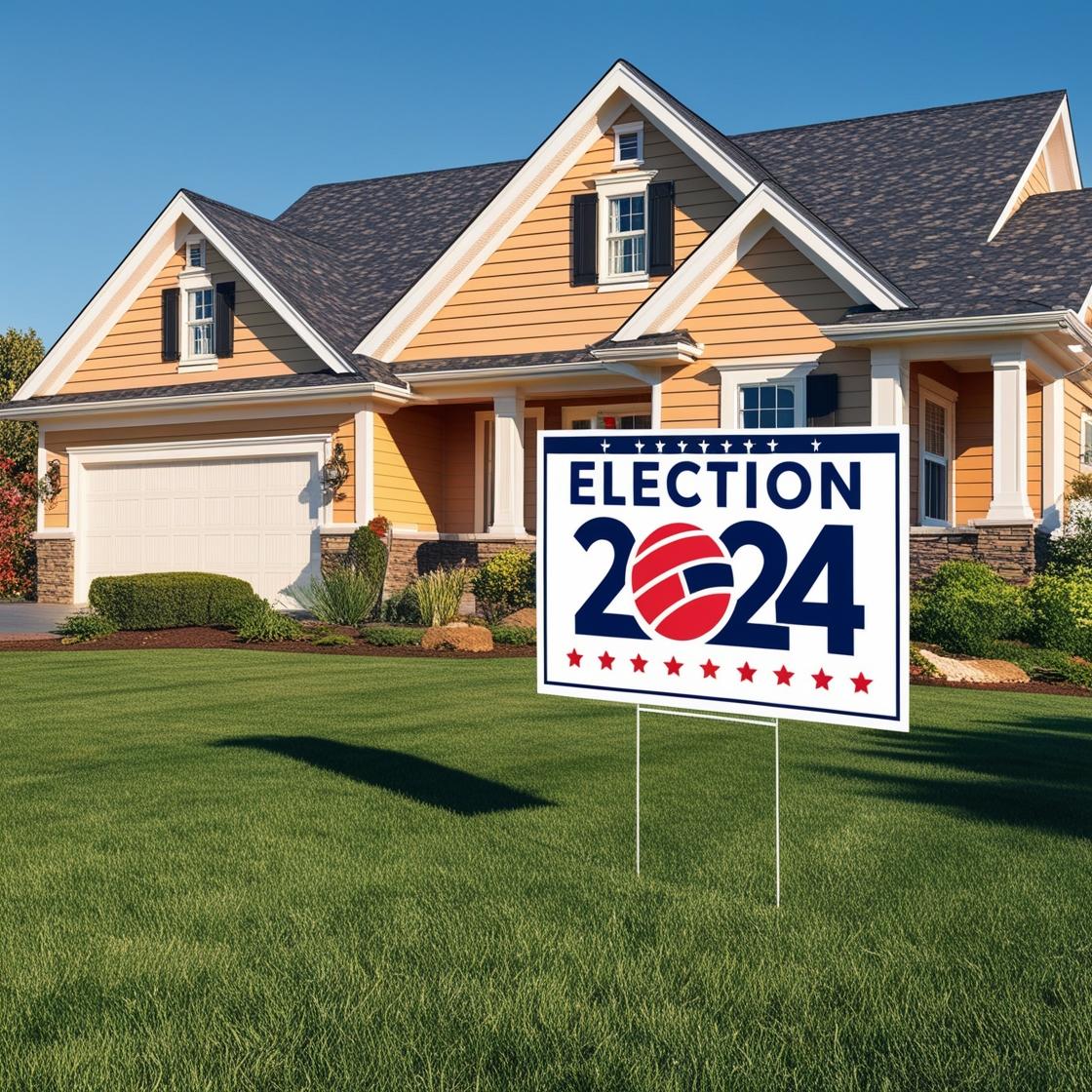
As the presidential election approaches next Wednesday, many are wondering how the results might affect the real estate market, especially for primary home buyers and sellers. While the election itself is a significant event, its impact on the housing market can vary based on several factors.
Historical Trends and Market Behavior

Historically, presidential elections have had a temporary effect on the housing market. Potential home buyers often become cautious about making significant financial decisions during election periods, leading to a slight slowdown in home sales. This is a normal reaction as people wait to see the outcome and any potential policy changes that might follow.
Post-Election Market Bounce
Interestingly, data from the Department of Housing and Urban Development (HUD) and the National Association of Realtors (NAR) indicates that home sales have increased the year after nine of the last eleven presidential elections. This suggests that any slowdown experienced during the election period is typically followed by a rebound in the market.
Impact on Home Prices and Interest Rates
Election years generally do not disrupt home prices significantly. The market tends to remain stable, especially when inventory is low. Additionally, mortgage rates often decrease in the months leading up to an election, which can make home buying more affordable. However, the Federal Reserve's policies and broader economic conditions play a more crucial role in determining interest rates than the election itself.
Local Market Considerations

For rural areas like Walker County, AL, the impact of the election might be less pronounced compared to urban centers. Local market conditions, such as inventory levels and buyer demand, will continue to be the primary drivers of real estate activity. However, any changes in federal housing policies or economic conditions resulting from the election could still have an indirect effect.
Pros and Cons of Each Presidential Candidate
One of the Candidates
Pros:
-Down Payment Assistance: One candidate has proposed a $25,000 down payment assistance program for first-time home buyers, which could significantly help those struggling to save for a home.
- Tax Credits: This candidate supports expanding tax credits for builders constructing starter homes, which could increase the supply of affordable housing.- Regulatory Support: They back initiatives aimed at protecting home buyers from predatory lending and regulating junk fees in rental housing.
Cons:
- Congressional Approval Needed: Many of this candidate's proposals, such as the down payment assistance program, would require congressional approval, which may be challenging to secure.- Increased Taxes: This candidate plans to increase taxes on high-income individuals and corporations, which could indirectly affect the housing market by reducing disposable income and investment in real estate.
Another Candidate
Pros:
- Deregulation: This candidate's approach includes reducing regulations that could lower compliance costs for real estate firms and potentially increase housing supply.- Tax Cuts: They aim to maintain or further reduce corporate and individual taxes, which could spur economic growth and increase disposable income for home buyers.
Cons:
- Less Government Intervention: This candidate's policies favor a free-market approach with less government intervention, which might not address housing affordability issues as directly as the other candidate's proposals.
- Potential Rollbacks: This candidate might roll back some of the regulatory protections put in place by the current administration, which could impact consumer protections for home buyers.
Conclusion
Both Kamala Harris and Donald Trump have proposed policies that could impact the housing market in different ways. Harris's focus on down payment assistance and regulatory support aims to make home buying more accessible, while Trump's emphasis on deregulation and tax cuts seeks to stimulate economic growth and increase disposable income. Home buyers and sellers in and around Walker County, AL,should stay informed about these potential policy changes and consider how they might affect their decisions, while also focusing on local market conditions. No matter the outcome, there's always a path forward for the real estate market, and staying adaptable will ensure success

Justin Humphries
Team Leader | Keller Williams | The Humphries Group | Alabama Real Estate
or another way