
Published September 28, 2020
CARES Act – Mortgage Forbearance & Issues That Are Arising

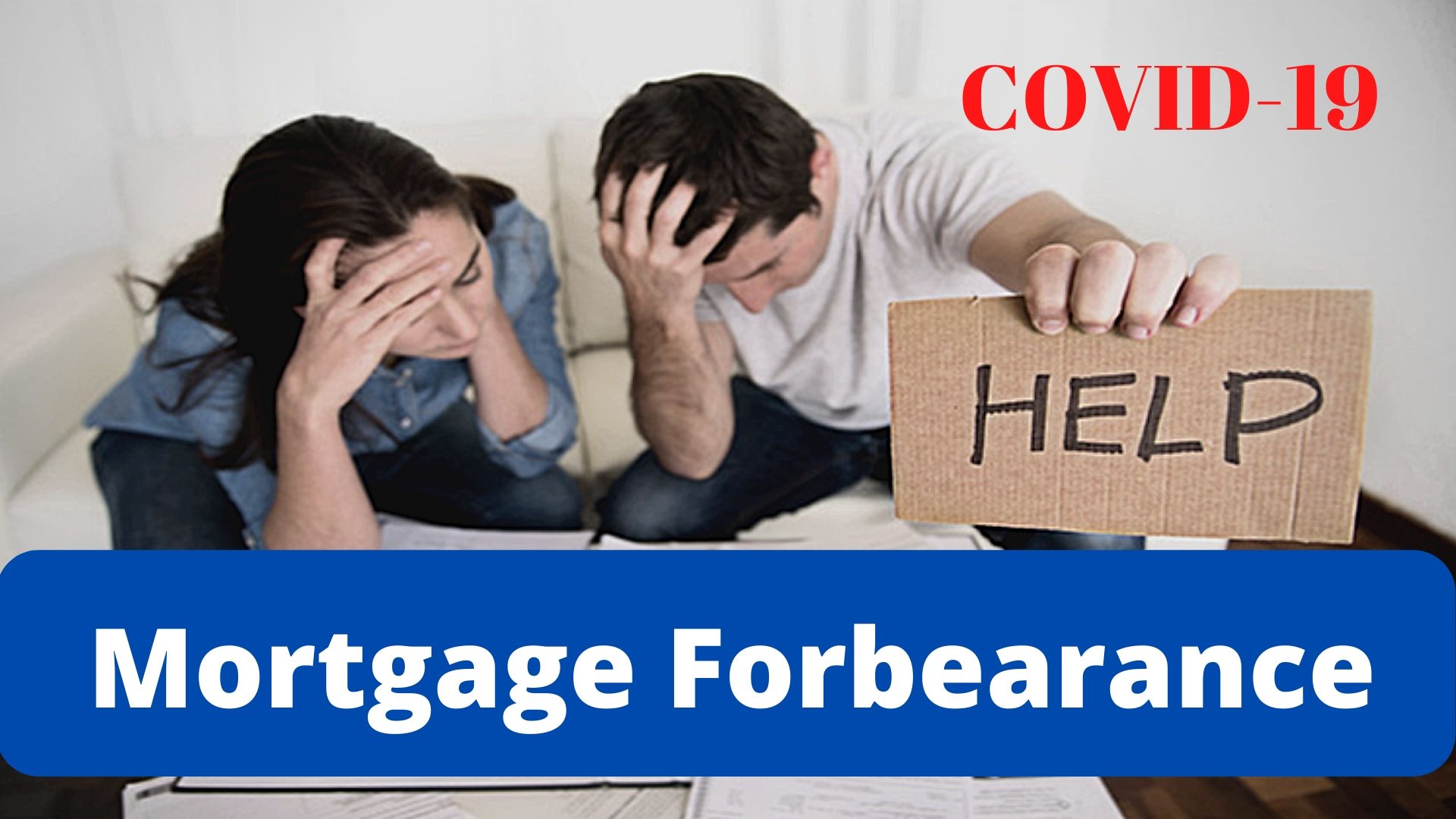
The pandemic swept through our lives like a tornado, taking everything down with it, including our finances.
The government was kind enough to help Americans out, especially homeowners, by implementing the CARES Act. In it, homeowners were able to put their mortgage in forbearance, no questions asked. Millions of homeowners jumped on board – who wouldn’t right?
Fast forward to today and those same homeowners are facing more trouble than they originally faced when the pandemic started.
The CARES Act helped temporarily – everyone had a place to
live and peace of mind during a scary time in your lives, but now many
homeowners are facing another issue – the potential of foreclosure.
What Happens after
Forbearance Ends?
Here’s what most people didn’t understand. When the
forbearance agreement ends, technically, you owe the full balance of what you
didn’t pay. 
Let’s say for simplicity’s sake your mortgage payment is $1,000 and you entered a forbearance agreement for 3 months. You didn’t make $3,000 in mortgage payments. Once the period ends, the mortgage company can ask for that $3,000 plus your current payment, so $4,000 total.
Chances are, though, if you needed the forbearance
agreement, you don’t have the resources to bounce back that fast, leaving you
in a similar – or even worse situation.
What are your Options?
This is where the ‘dark side’ takes place. Lenders should offer options, but not all are offering them. If they do, it’s only government-backed loans, such as FHA, VA, and USDA loans or Fannie Mae/Freddie Mac loans.
If you have any other loan, the Consumer Financial Protection Bureau encourages lenders to offer options, but they aren’t required to do so.
Where does that leave you?
If you have a lender willing to work with you, there may be options
such as:
- · - Split the past due payments up over a series of
12 months
- · - Extend the mortgage the number of months it was
in forbearance
- · - Add any past due amount to the back of the loan
- · - Split the past due payments up over a series of
12 months
If your lender will only split the past due amount up over a
series of a few months, it will increase your mortgage payment considerably,
but it’s better than owing a lump sum right away.
Can you Refinance?
It might seem like refinancing would get you out of ‘trouble,’ but if you can’t repay the amount you’re behind, lenders don’t like that.
Before the CARES Act, you couldn’t refinance for at least 12 months after a forbearance. Because so many homeowners are in forbearance, though, they changed the regulations (for Fannie Mae and Freddie Mac loans) to three months.
But, you have to make payments for 3 months before you can refinance and it’s still up to the lender if they want to take a chance.
If you’re already behind and you’re looking for a cash-out
refinance to get you caught up, it may be hard to find a lender.
What if you Run out of Options?

Here’s where the problems start.
You are through the forbearance period and now you need a solution. Your lender won’t work with you and demands full payment now.
If you don’t pay it, you face foreclosure.
Not only does that leave you without a home, but it also brings your credit score down dramatically. This makes it hard to qualify for any type of financing for the foreseeable future.
Is foreclosure your only option?
It’s not. Consider a short sale. While it may not be where you pictured your life at this point, life happens and we have to face the battles.
The good news is we are here to help. We know a short sale is scary. You’re selling your home whether you wanted to or not. But there are positives.
- · - You eliminate the negativity a foreclosure
causes, especially to your credit score
- · - It’s easier to fix your credit after a short
sale, especially in the face of COVID, the situation was out of your control
- · - You can usually buy another home in as little as
2 years (sometimes sooner)
What is a Short Sale?
 So what does a short sale look like?
Rather than listing the home for the market value or the price you want for the home, you and the lender agree on a price that settles your mortgage even if it doesn’t pay it off in full.
Your lender must agree to the price, though, don’t just list
it for sale without talking to your lender. Usually, you sell the home for less
than you owe under the agreement that the lender will consider the debt
paid-in- full.
Do you Need to Pay for a
Short Sale?
Every lender is different. Some homeowners have to
contribute to the sale, making up some of the money they are behind. Others
don’t require it and simply accept whatever amount they agree to.
Handling the Short Sale
Handling a short sale is difficult and time-consuming. It pays to work with professionals with experience in short sales. We have many years of experience helping homeowners just like you.
We understand the strain you’re under and work with you with the utmost care and concern throughout the process. We are 100% discreet and help you sell your home as fast as possible so you can put the devastation behind you and start fresh
Claim your Life Back
COVID took a lot from all of everyone, including the homes of millions. You aren’t alone and we are here to help you through it!
Consider it a fresh start – you’re putting your best foot forward and taking control of what was handed to you. If you’ve done everything you can to save your home and your lender exhausted all potential options, a short sale is the only way to avoid foreclosure and damaging your credit for many more years.

Click to get in touch with one of our Team Members
You can also contact Justin Humphries directly by Call or Text at (205)-777-9886 or by emailing Justin.Humphries@kw.com.

Justin Humphries
Team Leader | Keller Williams | The Humphries Group | Alabama Real Estate
or another way