
Published April 17, 2025
Why Most Loans Don’t Work for Foreclosures or Auctions (And What You Can Do Instead)

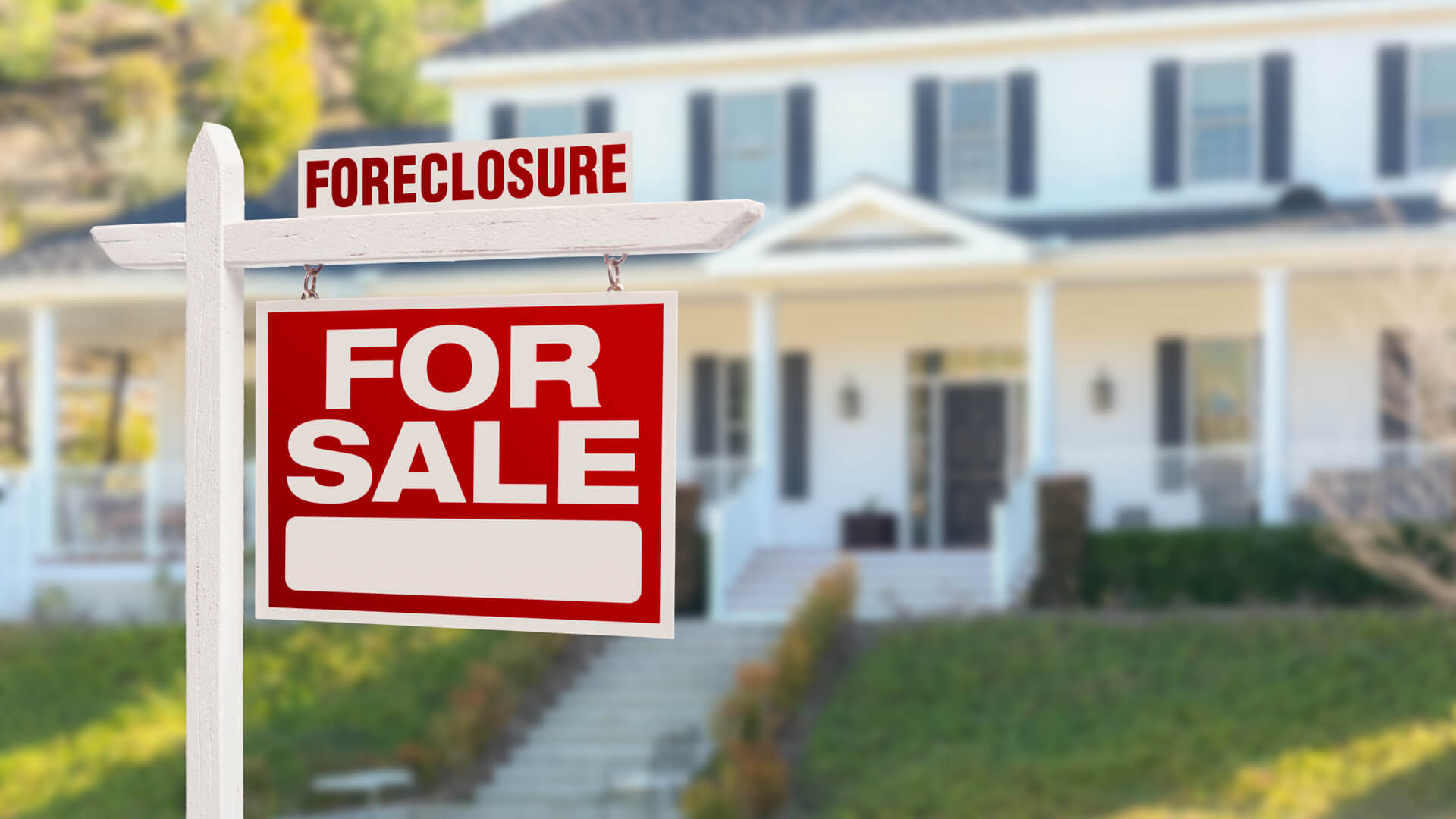
Purchasing a foreclosed property or one sold at auction can be an enticing prospect for investors and homebuyers seeking potential bargains. However, it's important to understand that most traditional loans are not designed to accommodate these types of transactions. This blog post delves into the reasons why conventional financing often falls short when it comes to foreclosures and auctions.
1. Tight Timelines and Immediate Payment Requirements
Foreclosure auctions typically demand swift action. Winning bidders are often required to provide a significant cash deposit on the day of the auction and pay the remaining balance within a short period, sometimes as little as 2 to 30 days. Traditional mortgage processes, which involve appraisals, underwriting, and approvals, usually take longer than these tight deadlines allow. Consequently, relying on standard financing can jeopardize the transaction, as there's a risk the loan won't be approved in time, leading to the loss of the property and any deposits made. REFlipper.net
2. Property Condition and Livability Concerns
Foreclosed properties are often sold "as-is," meaning they may have been neglected or even vandalized. Traditional lenders typically require properties to meet certain livability standards before approving a mortgage. If a property has significant issues, such as structural damage or missing essential systems, it may not qualify for conventional financing. This is particularly true for government-backed loans like FHA, which have strict appraisal and condition requirements. Refinance or apply for a mortgage online
3. Lack of Contingencies and Due Diligence Opportunities
In standard real estate transactions, buyers often include contingencies for inspections, financing, and appraisals. These safeguards allow buyers to back out or renegotiate if issues arise. However, foreclosure auctions usually do not permit such contingencies. Buyers must commit to the purchase without the opportunity for thorough inspections or the assurance of financing approval. This lack of flexibility makes traditional loans impractical for auction purchases. REFlipper.net
4. Title Issues and Unforeseen Liabilities
Foreclosed properties can come with title complications, such as outstanding liens or unpaid taxes. Traditional lenders require clear title before approving a mortgage, as they need assurance that their lien will be in the first position. Resolving title issues can be time-consuming and may not align with the expedited timelines of foreclosure sales. Additionally, buyers at auctions may be responsible for any existing debts tied to the property, further complicating financing.
5. Preference for Cash Buyers
Sellers of foreclosed properties, often banks or government entities, prefer cash transactions due to their speed and certainty. Cash buyers can close quickly without the risk of financing falling through, making their offers more attractive. In competitive auction environments, this preference can disadvantage buyers relying on traditional loans, as their offers may be deemed less reliable.
Alternative Financing Options
While traditional loans may not be suitable for foreclosure or auction purchases, alternative financing methods exist:
-
Hard Money Loans: These are short-term, asset-based loans provided by private lenders. They offer quick funding but come with higher interest rates and fees. Hard money loans are often used by investors planning to renovate and resell properties. Dakil Auctioneers, Inc.
-
Delayed Financing: This strategy involves purchasing the property with cash and then quickly refinancing to recoup the funds. It allows buyers to meet auction payment requirements while still leveraging financing shortly after the purchase. Dakil Auctioneers, Inc.+1HomeLight+1
Conclusion
Foreclosure and auction properties can offer significant opportunities, but they come with unique challenges that make traditional financing difficult. Understanding the limitations of conventional loans in these scenarios is crucial. Buyers should be prepared with alternative financing solutions or cash reserves to navigate the complexities of purchasing distressed properties successfully.