
Published July 31, 2025
💰 Why Buying Commercial Real Estate Is a Good Investment

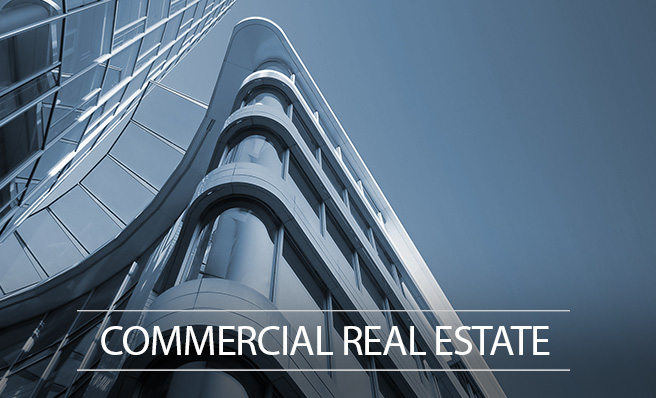
For many investors, commercial real estate offers a compelling combination of income potential, wealth building, and diversification that other asset classes often struggle to match. While it typically requires more capital and expertise than residential investing, the long-term rewards can be substantial. Here's why:
1. Higher Income Potential
Commercial properties often generate significantly higher rental income than residential properties. Leases are usually longer, especially in office, retail, and industrial spaces—often 3, 5, or even 10+ years. This means more stable and predictable cash flow.
For example, a single multifamily building with 10 units might bring in more rental income than 10 separate single-family homes—with far less maintenance and management complexity.
2. Professional Tenants
Most commercial tenants are businesses, which tend to be more professional and financially responsible than individual renters. In retail and office spaces, tenants are often responsible for their share of property taxes, insurance, and maintenance (Triple Net Leases), which reduces the landlord’s operational burden.
3. Diversification of Risk
CRE offers a broad spectrum of asset types (office, retail, industrial, multifamily, hospitality), each of which performs differently depending on market conditions. This makes commercial real estate an effective tool for diversifying your investment portfolio, spreading out risk, and balancing returns.
4. Appreciation and Value-Add Opportunities
While residential real estate relies heavily on market comparables for valuation, commercial properties are often valued based on net operating income (NOI). That means investors can directly influence the value by increasing rents, reducing vacancies, or improving management.
This ability to "force appreciation" through operational improvements makes CRE a powerful vehicle for wealth building.
5. Tax Advantages
Commercial real estate investors enjoy a wide range of tax benefits, including:
-
Depreciation deductions
-
Mortgage interest write-offs
-
1031 exchanges (defer capital gains tax by reinvesting)
-
Cost segregation to accelerate depreciation on certain property components
These benefits can significantly increase after-tax returns.
6. Hedge Against Inflation
Rents and property values generally increase with inflation, providing a natural hedge against the declining value of money. Lease agreements often include annual rent escalations or CPI-based adjustments, helping preserve purchasing power over time.
7. Leverage and Equity Growth
CRE allows investors to use leverage (borrowed money) to control large assets with a smaller equity investment. As the property appreciates and loan principal is paid down, investors build equity. Over time, this can create substantial net worth.
🏁 Final Takeaway
Buying commercial real estate isn't just for institutional investors or real estate tycoons—it's an accessible, high-potential investment strategy for individuals with the right knowledge, resources, and network. Whether you're looking for steady income, long-term appreciation, or a hedge against economic uncertainty, CRE offers a time-tested path to building wealth.